The history of
Nearly two centuries have passed, guided by the same conviction: to remain a small, family-run House that is independent, exacting, and free to make its own choices. Deutz’s story is not linear. The House has managed to endure, to reinvent itself without compromising its values, and to remain true to itself through the consistency of its high standards, the clarity of its style, and its bold, unique, creative freedom. Today, the story of Maison Deutz continues to unfold, day after day, vintage after vintage, generation after generation. Excellence cannot simply be declared; it is built slowly over time.
The beginning
A Story of Passion at the Heart of the Champagne Region
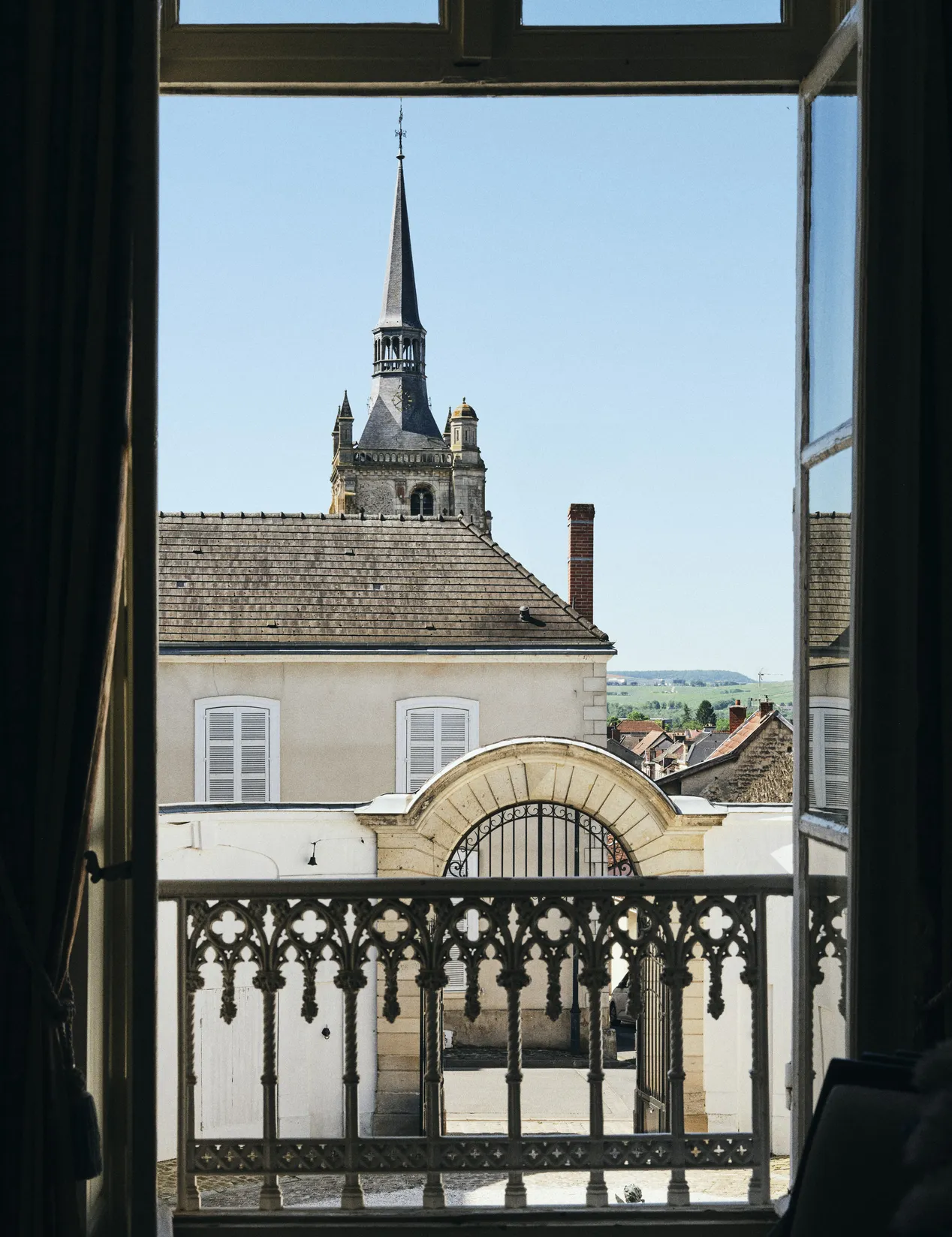
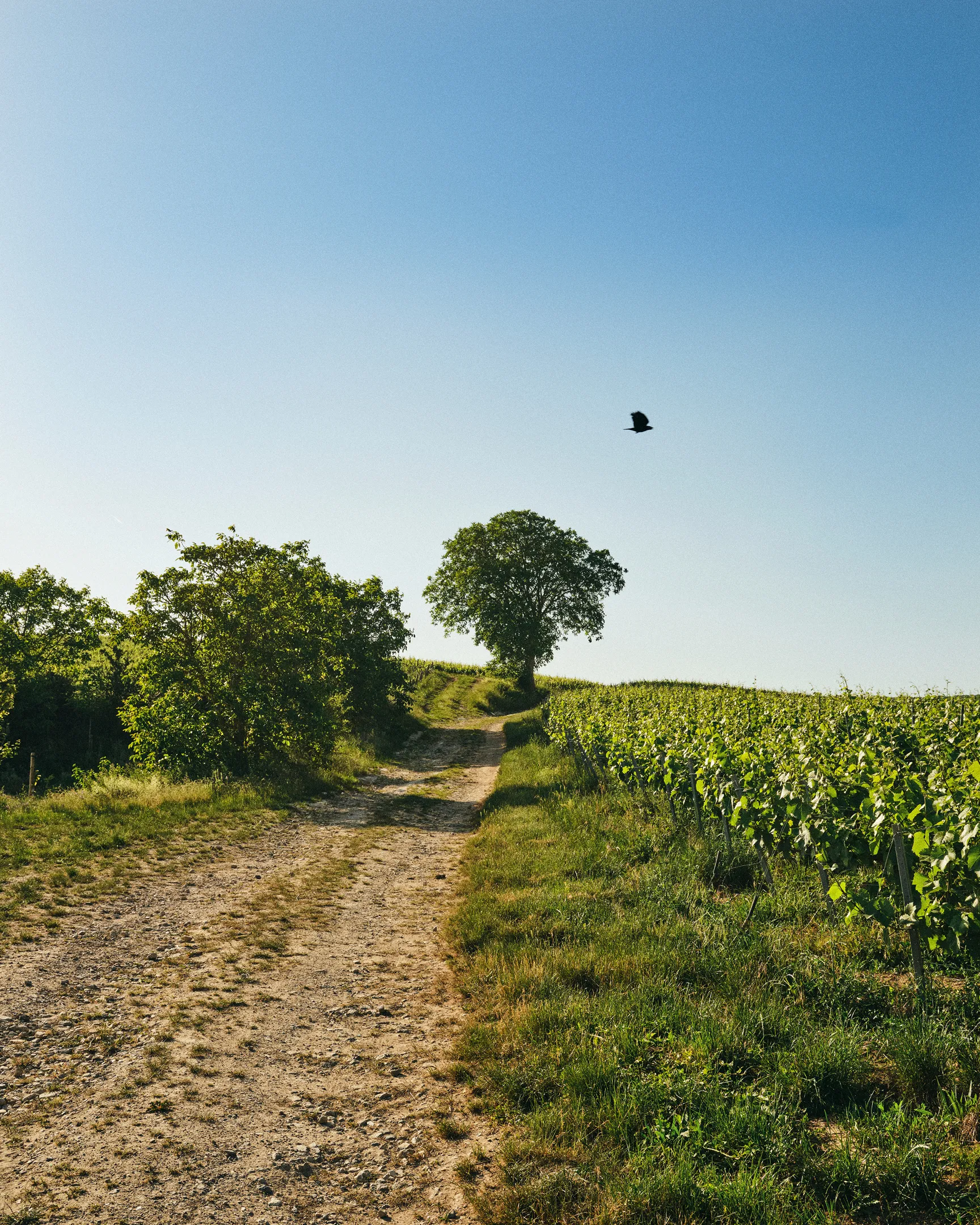
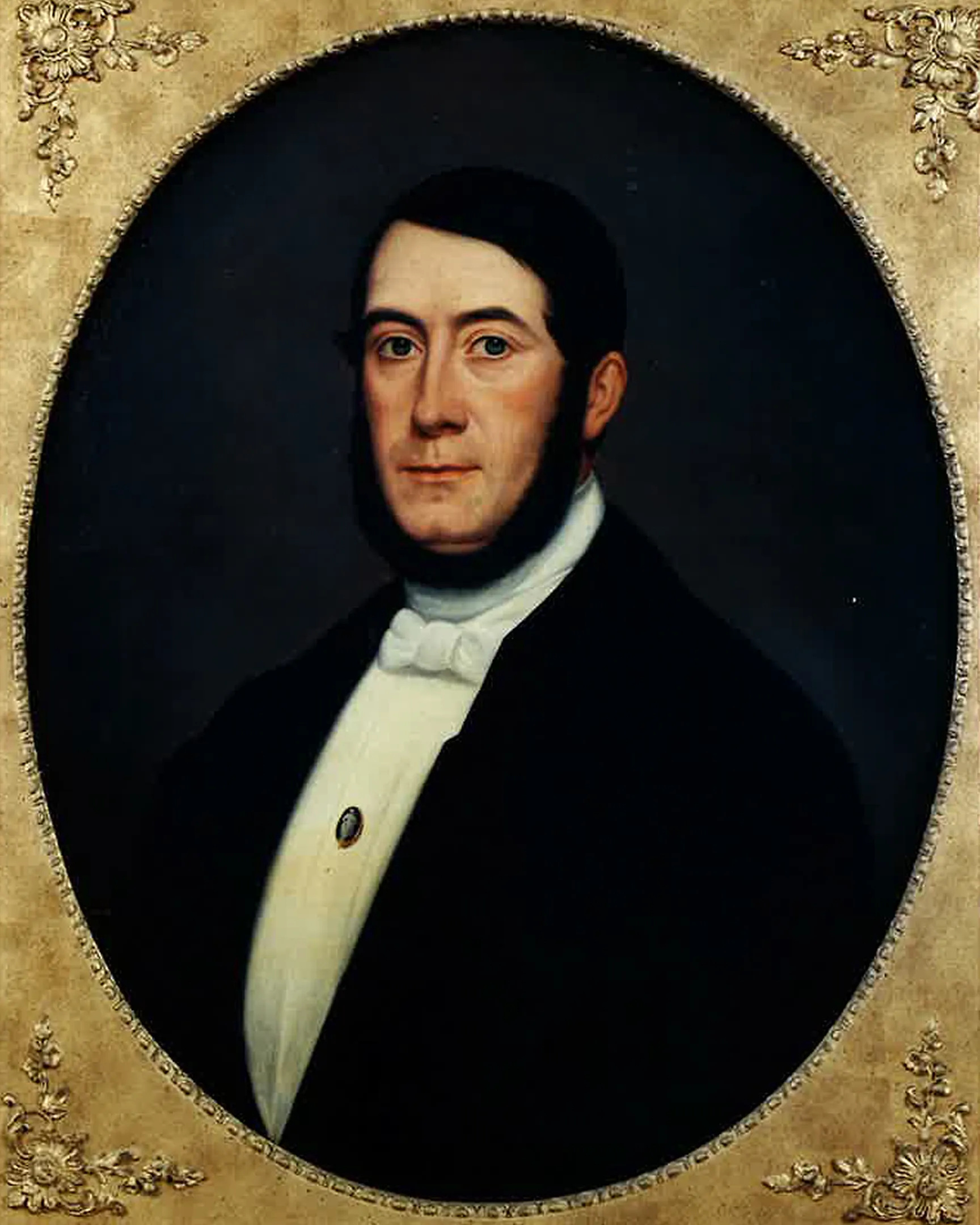
William Deutz, a visionary wine merchant from Aachen, accompanied by his business partner Pierre-Hubert Geldermann, discovered the hillsides of Aÿ in 1838. He was so captivated by the richness of the terroir, he decided to settle there. This profound inspiration led to the birth of a House combining refinement and high standards, embodying the distinct alchemy between German precision and French art de vivre.
1838
The Founding
William Deutz and Pierre-Hubert Geldermann, two wine merchants originally from Aachen, settled in Aÿ and founded the House. Their Prussian rigour immediately aligned with the high standards of the region; Aÿ was then one of the most renowned crus in Champagne, a land of fine wines since the Middle Ages. The House set out a clear ambition from the very beginning: to craft champagnes with character, without ever compromising on quality. The first cuvée, the Cuvée A, brought together three Champagne Grands Crus: Aÿ, Verzenay and Cramant. And from the outset, this ambition extended beyond national borders. More than 95% of the production was exported to Germany as early as 1838, and the first shipments reached the United States and Austria in 1841.
1846
The Gouttes d'Or
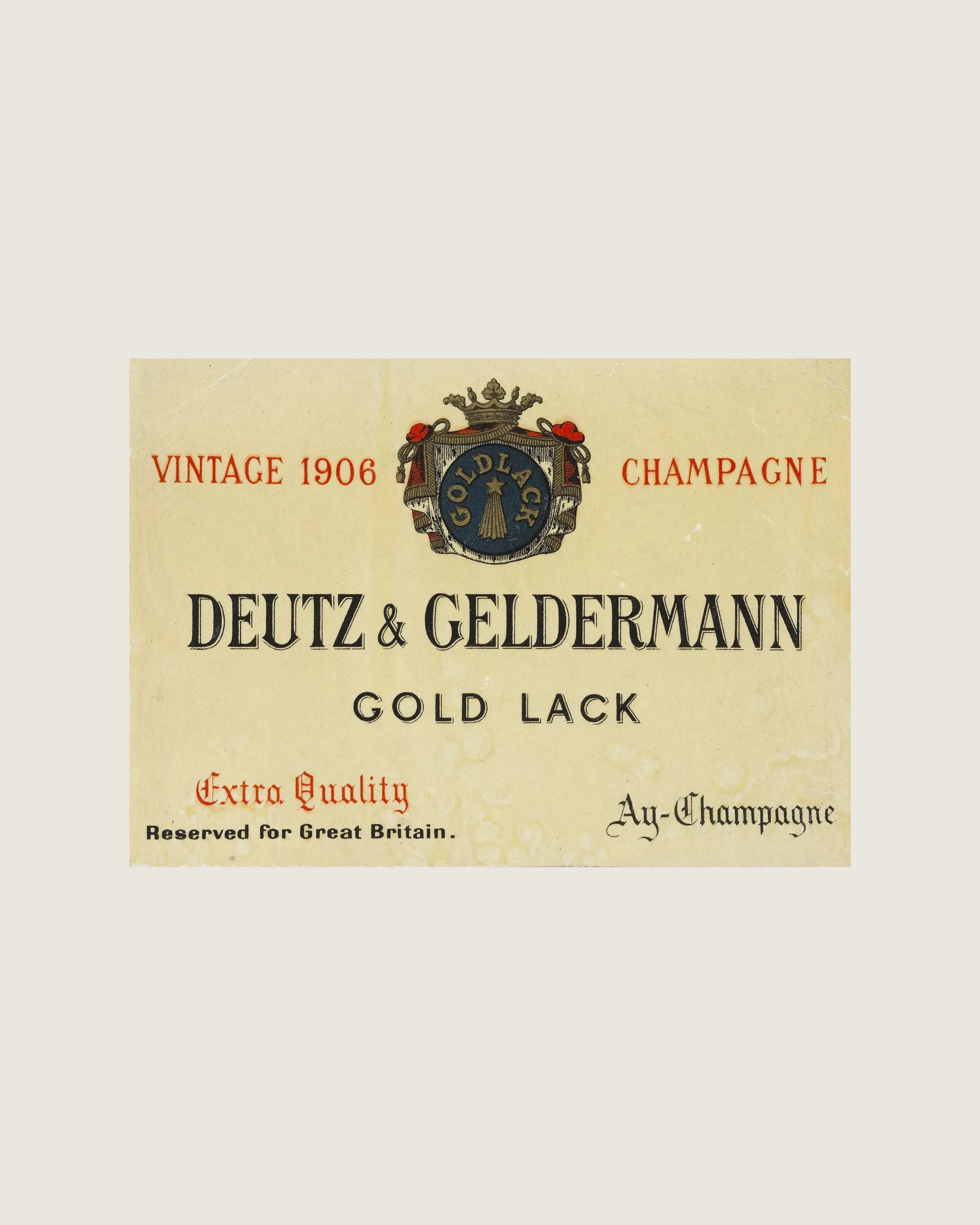
In 1843, a marriage led to an alliance with the Daragon family, who owned vineyards in Pierry. This cooperation brought the House Les Gouttes d’Or – a new plot of land with a promising future. Three years later, this vineyard site lent its name to a cuvée that would become truly iconic: Goldlack, a triple reference to the original plot, the eponymous German flower, and the golden wax used to seal its bottles. Adorned with a star-studded label inspired by “comet vintages,” this wine became Deutz’s discreet flagship on the international stage, and was even served at Queen Victoria’s Jubilee in 1887.
1882
One of Europe's greats
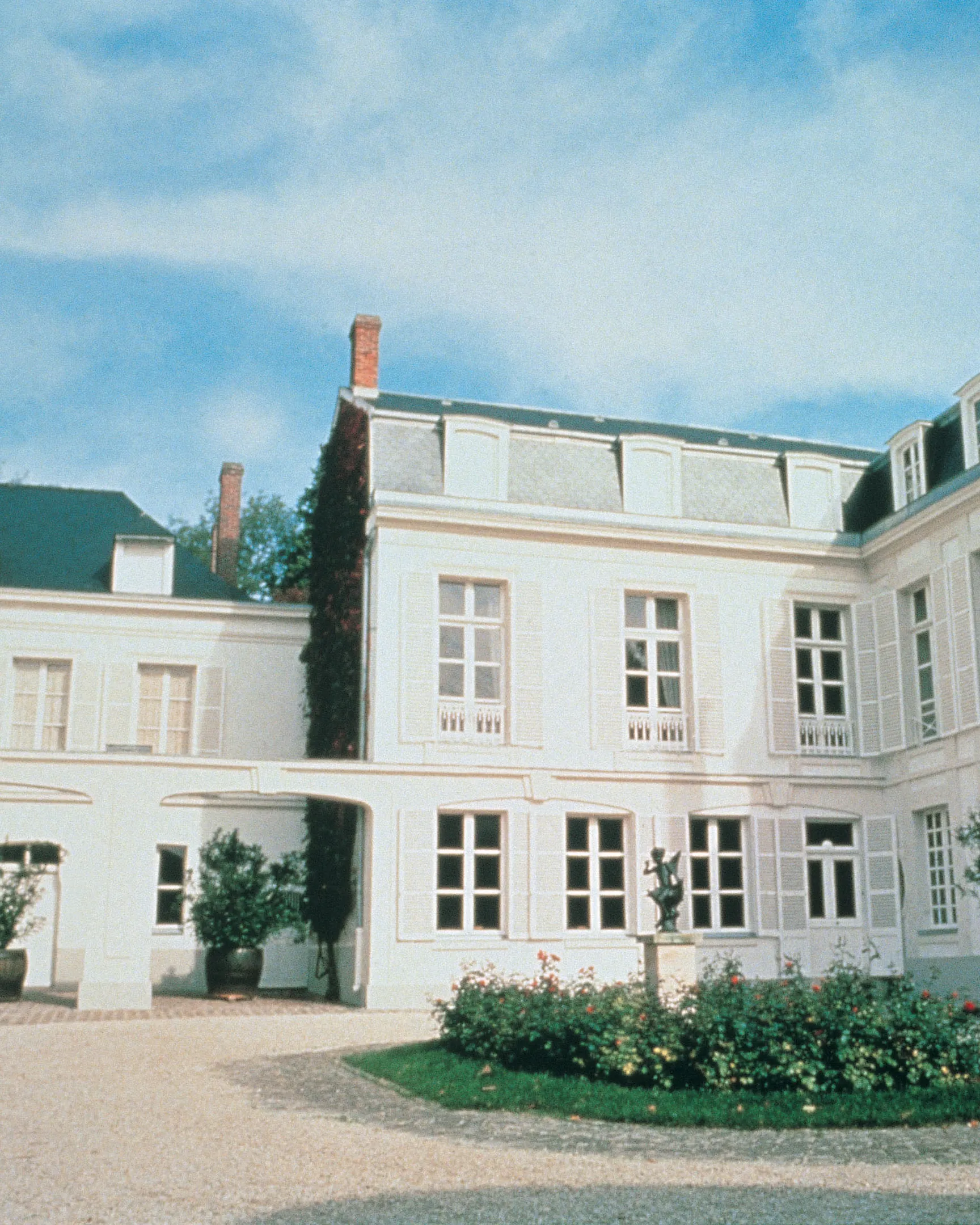
Maison Deutz became a founding member of the Syndicat des Grandes Marques, entering the select circle of historic Champagne Houses. The following year, Maison Deutz achieved a double milestone: its first major hotel partnerships — the Grand Hôtel, followed by the Continental and the Meurice in Paris — and the symbolic threshold of 300,000 bottles shipped. Deutz then established itself at the royal courts and the finest restaurants across Europe, exporting to England, Russia and Germany. Its reputation was as much the result of the consistency of its style as the quality of its vintages.
20th century
A new era
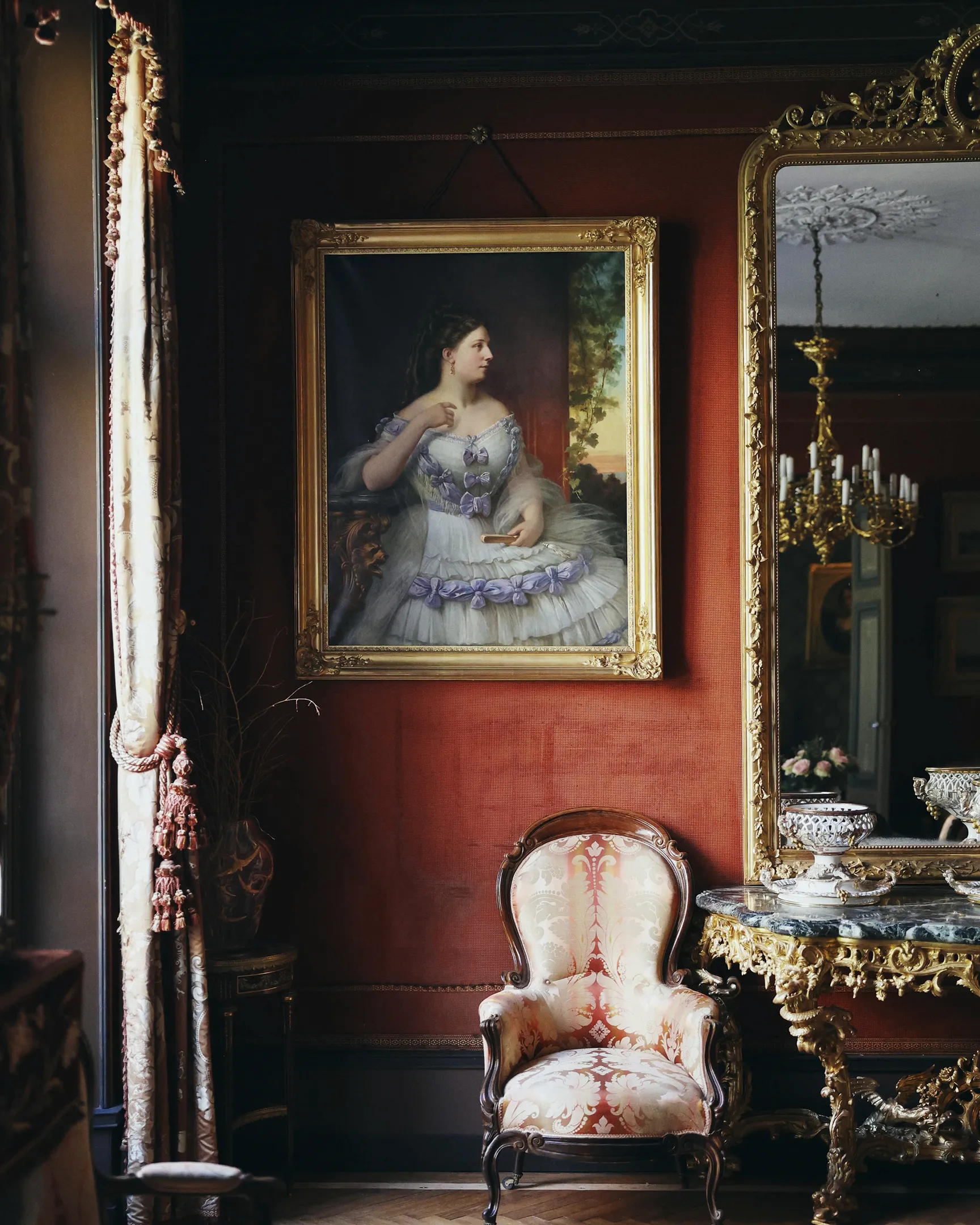
After the death of René Deutz, the founder’s son, in 1897, his sister Marie Deutz-Geldermann took the reins of the House following a period of transition. She kept a watchful eye on the accounts and restructured the supply chain before entrusting the management to René Lallier, a man of conviction and the husband of Hélène Deutz. A new era dawned, one of family, continuity and the consolidation of the estate’s assets, enabling the House to weather two major wars without compromising its independence.
1959
The iconic cuvée
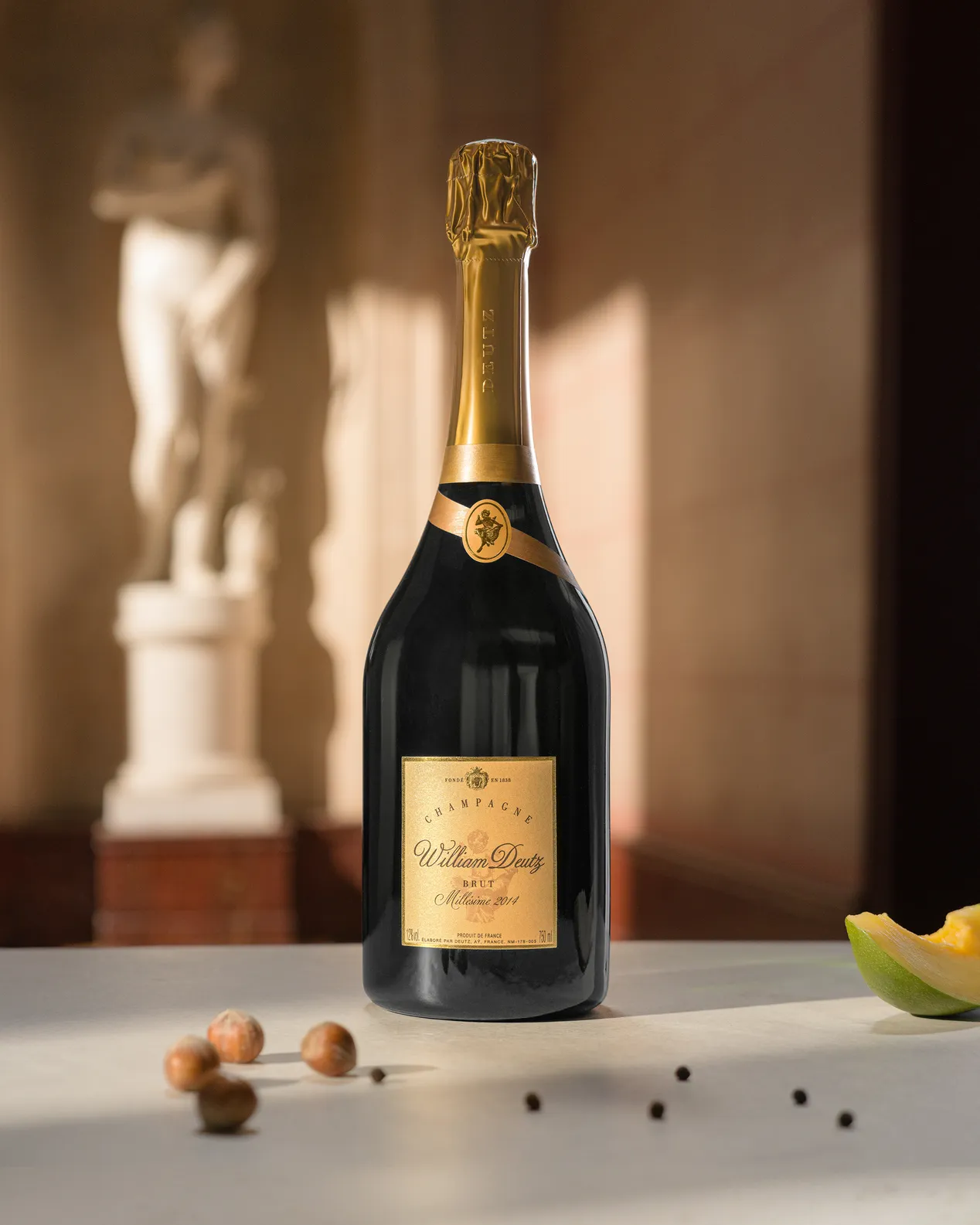
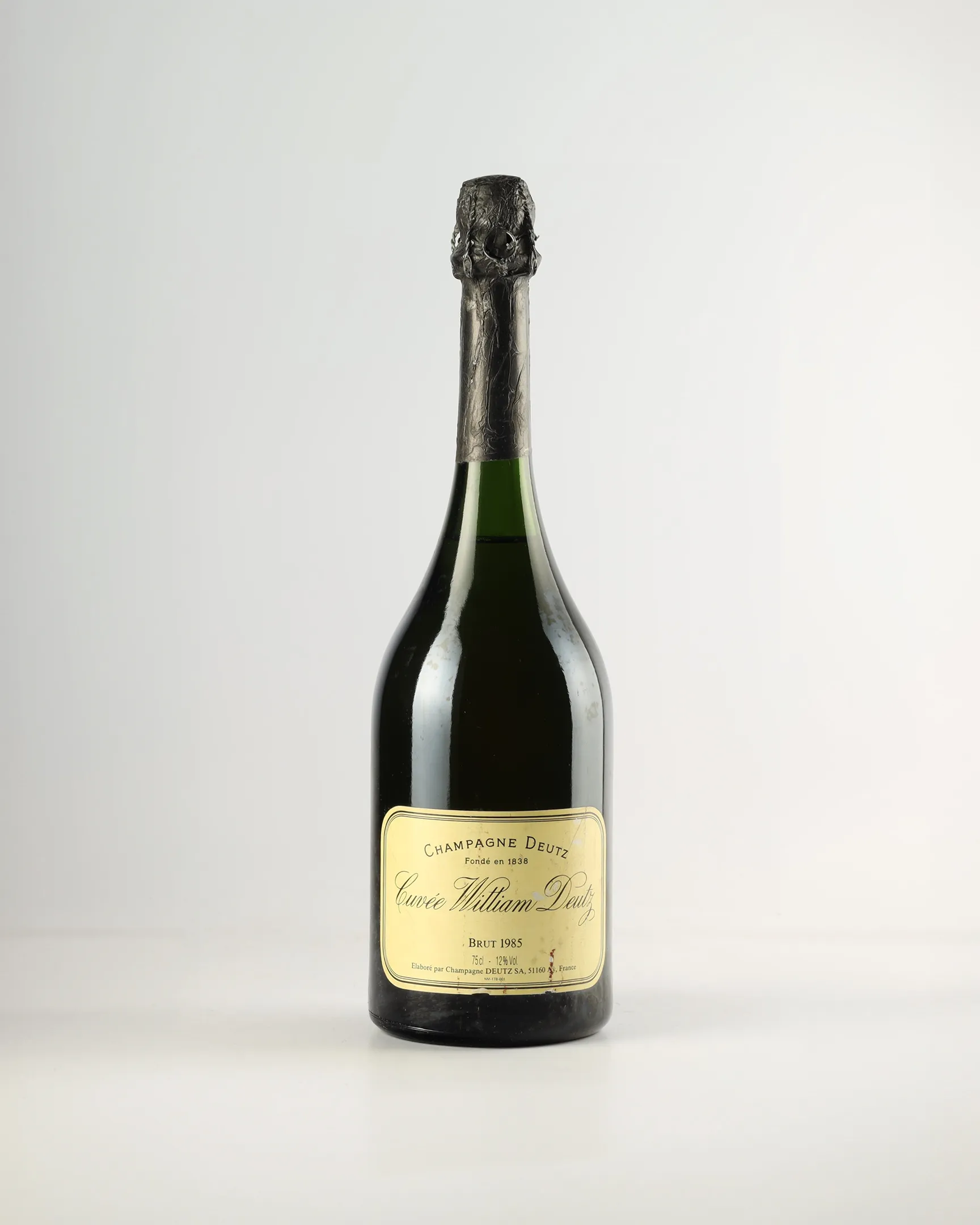
Jean Lallier, son of René Lallier and Hélène Deutz, gradually took over the running of the House from the 1920s onwards. Trained at the prestigious Saint-Cyr military academy, he embodied a discreet rigour and was committed both to upholding the family name and to the measured evolution of the House’s style. In 1959, he launched the Cuvée William Deutz, a tribute to the founder, and laid the groundwork for a premium blend bringing together the finest crus and terroirs of the Montagne de Reims and the Marne Valley.
1960-1970
The pursuit of excellence
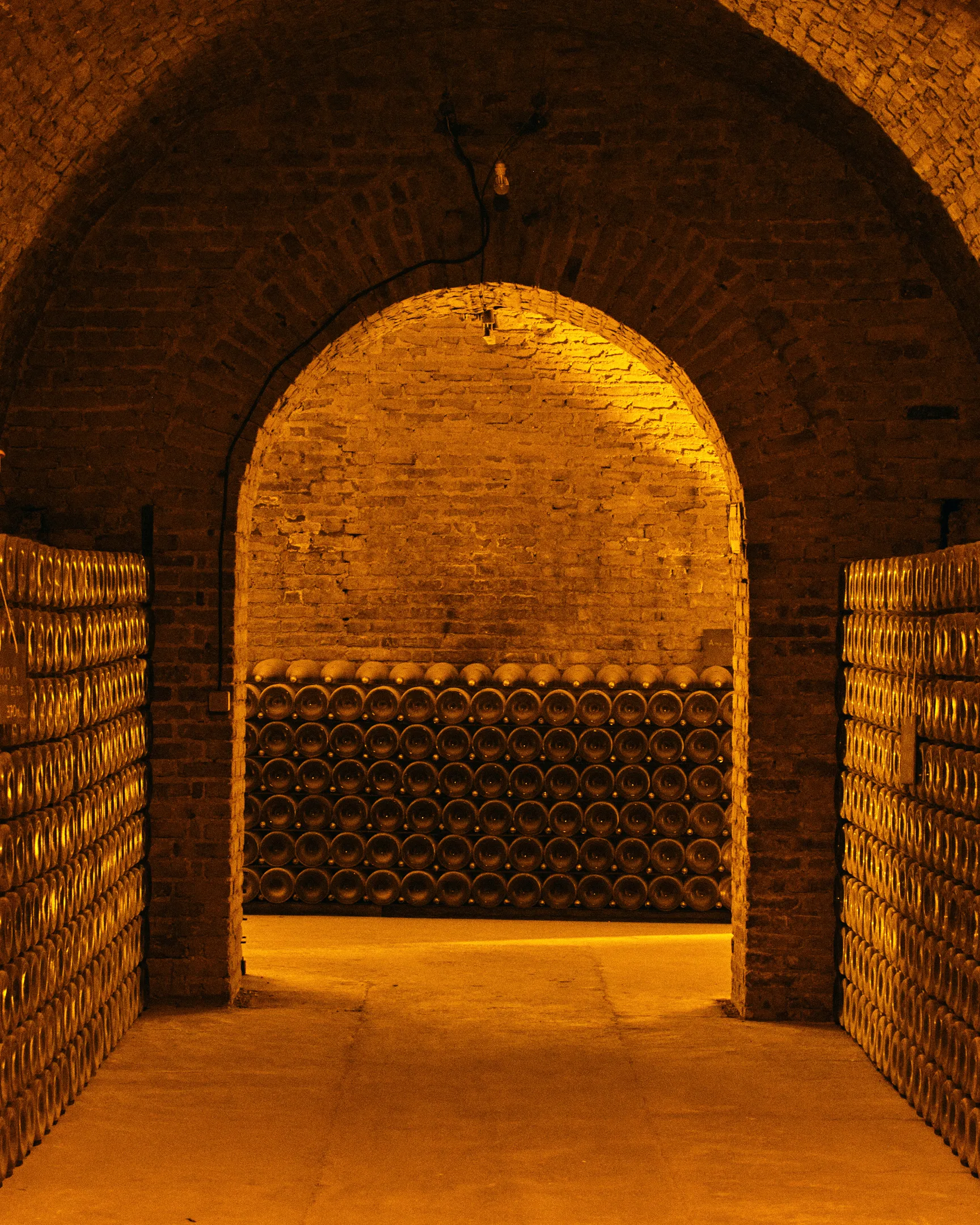
In the 1960s, Jean Lallier streamlined the portfolio of crus and entered into exclusive contracts with trusted winegrowers. Deutz shunned the race for high volume and the flashy advertising campaigns of the time, preferring instead to maintain a consistent tone and style. This was embodied by the cuvée Brut, which would become Brut Classic in 1994 and whose blend incorporated up to 40 crus, becoming a cornerstone of the House’s identity. Deutz was respected by sommeliers and discerning wine enthusiasts alike. Proud of its roots in Aÿ, the House remained true to its choice of excellence.
2000
Amour de Deutz
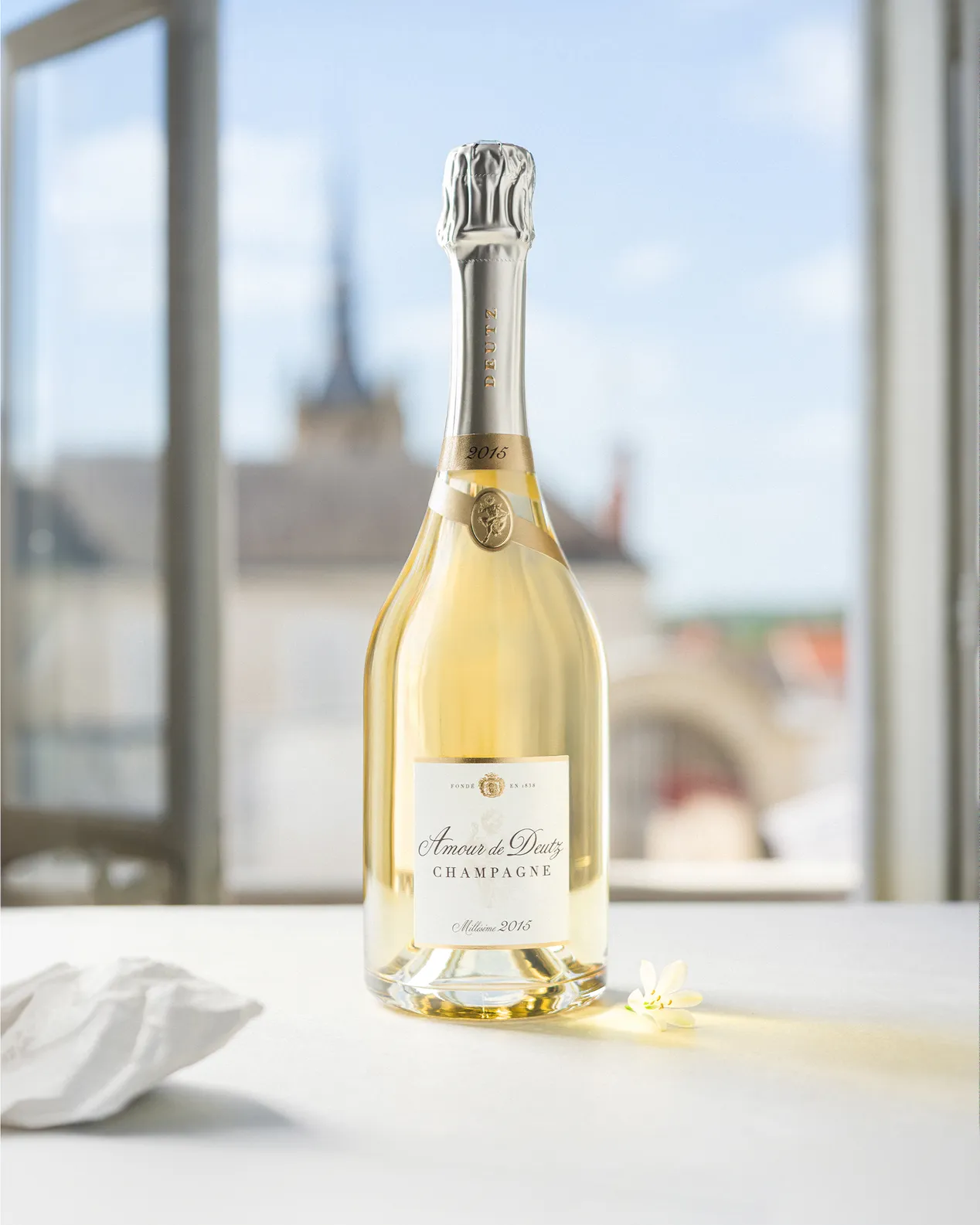
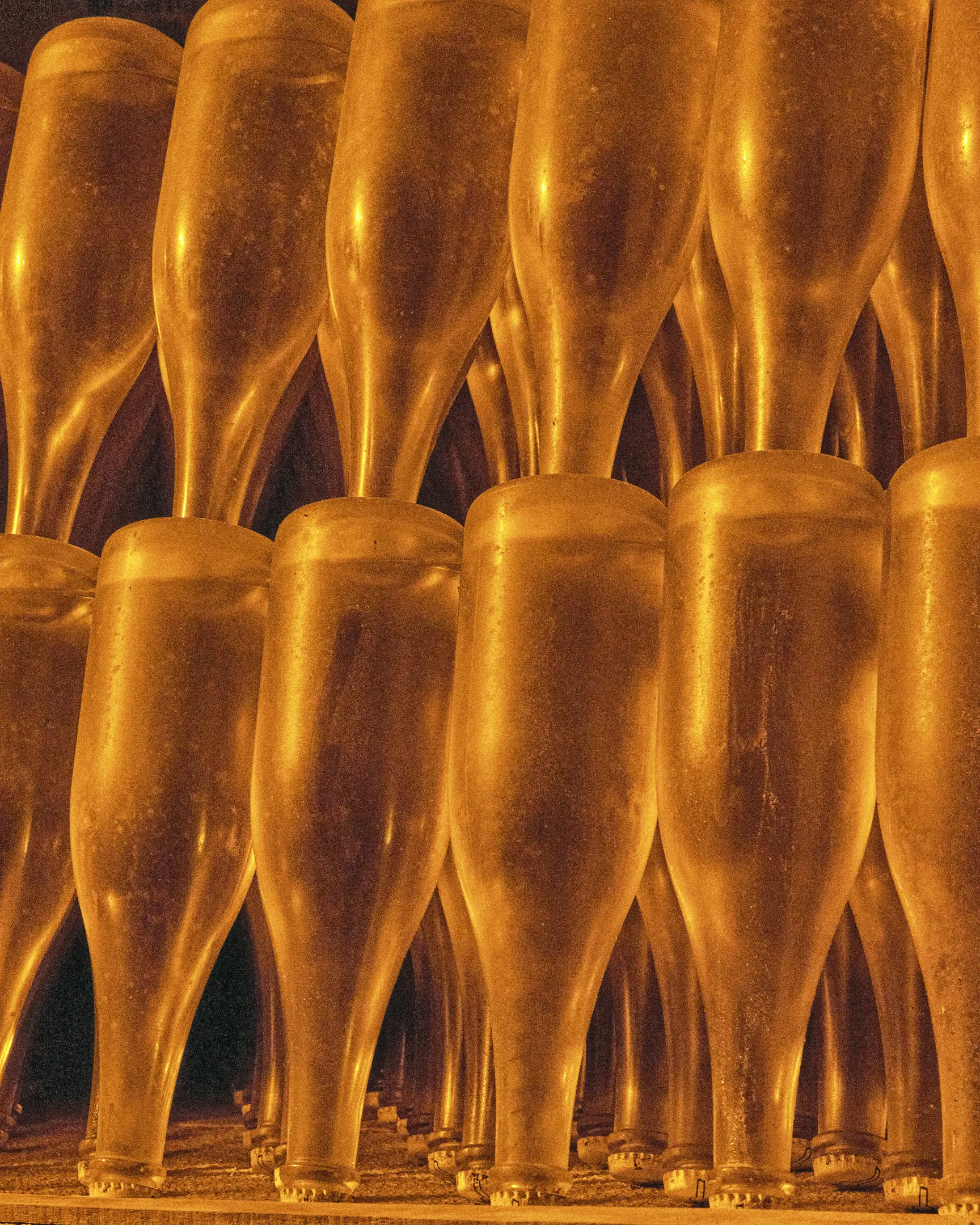
To mark the turn of the millennium, the House launched its prestige Blanc de Blancs cuvée, Amour de Deutz (1993 vintage), blended from a rigorous selection of iconic crus from the Côte des Blancs and the “Perle Blanche” area of the Montagne de Reims. A tribute to Champagne’s finest terroirs, to the ultimate art of blending, and to the way in which time elevates these wines. Made entirely from Chardonnay, the Amour de Deutz cuvée embodied the essence of the House’s oenological expertise whilst exploring the poetic dimension of Champagne: the search for purity, emotion and light revealed by time itself.
2005
A distinctive silhouette
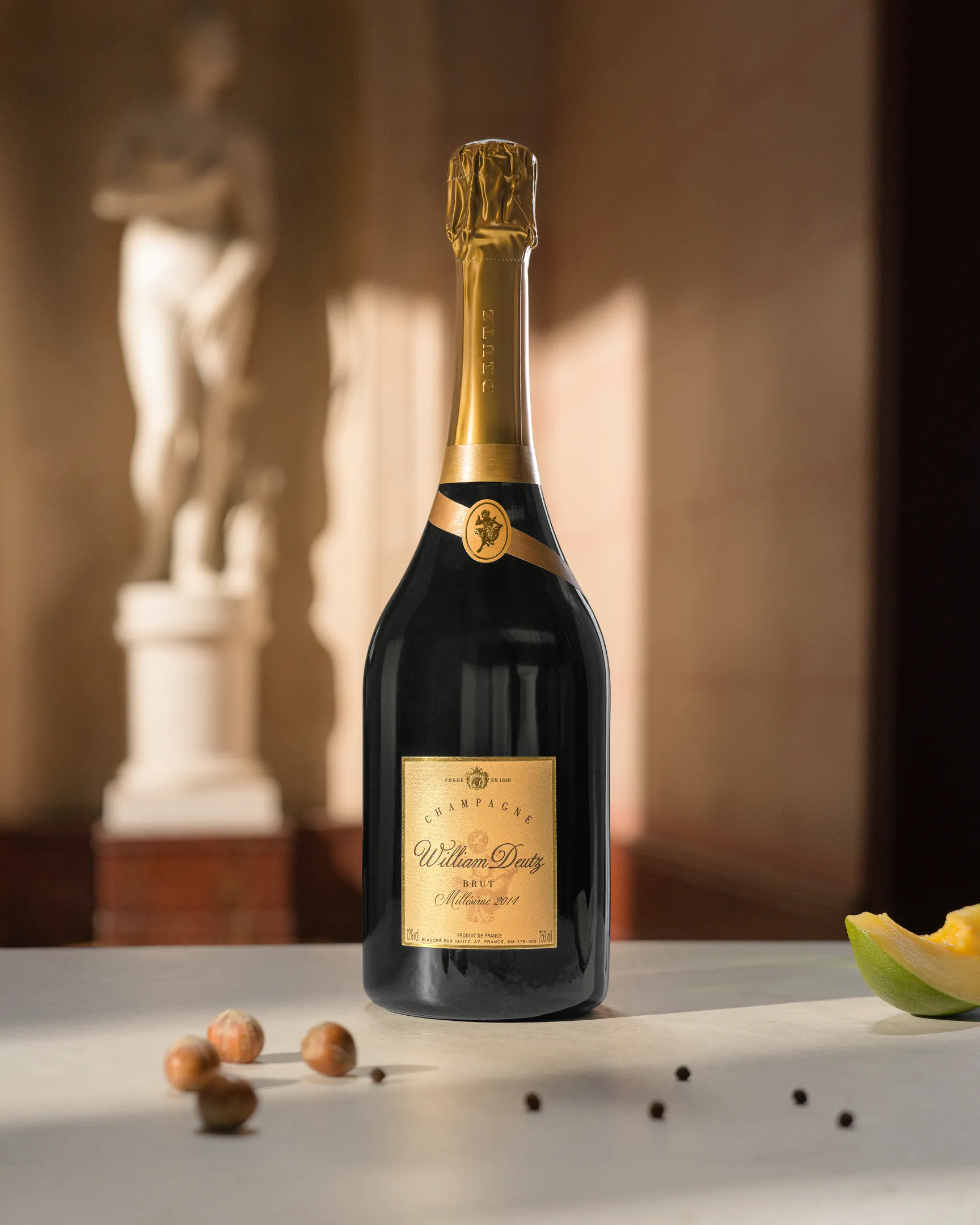
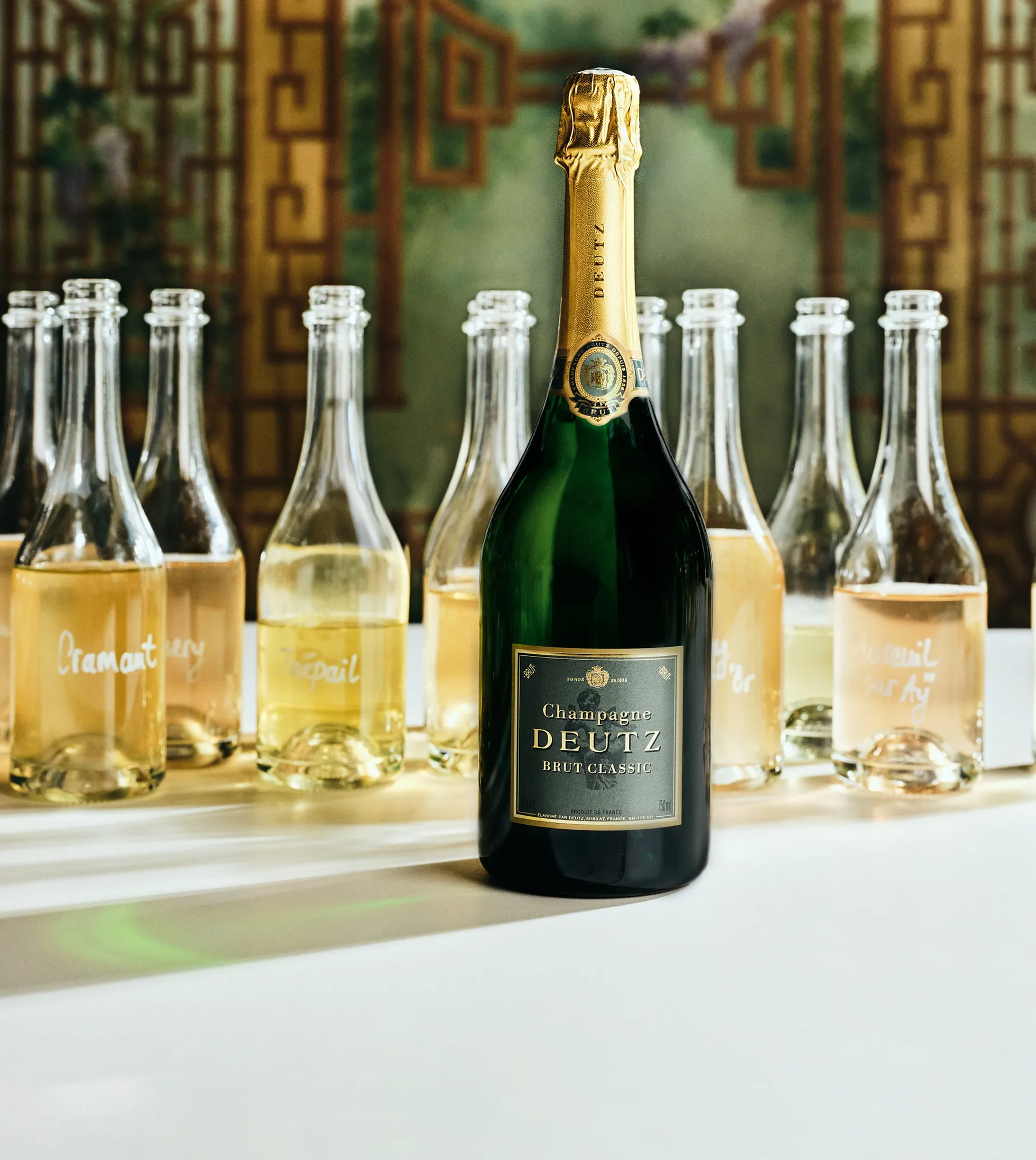
In 2005, the search for uniqueness led the House to roll out the historic “William Deutz” bottle across its entire range. An exclusive vessel whose graceful shoulders and neck sculpted its recognizable silhouette. Today, this distinctive shape guarantees the authenticity and traceability of every wine bearing its name.
2010
Vineyard Tributes
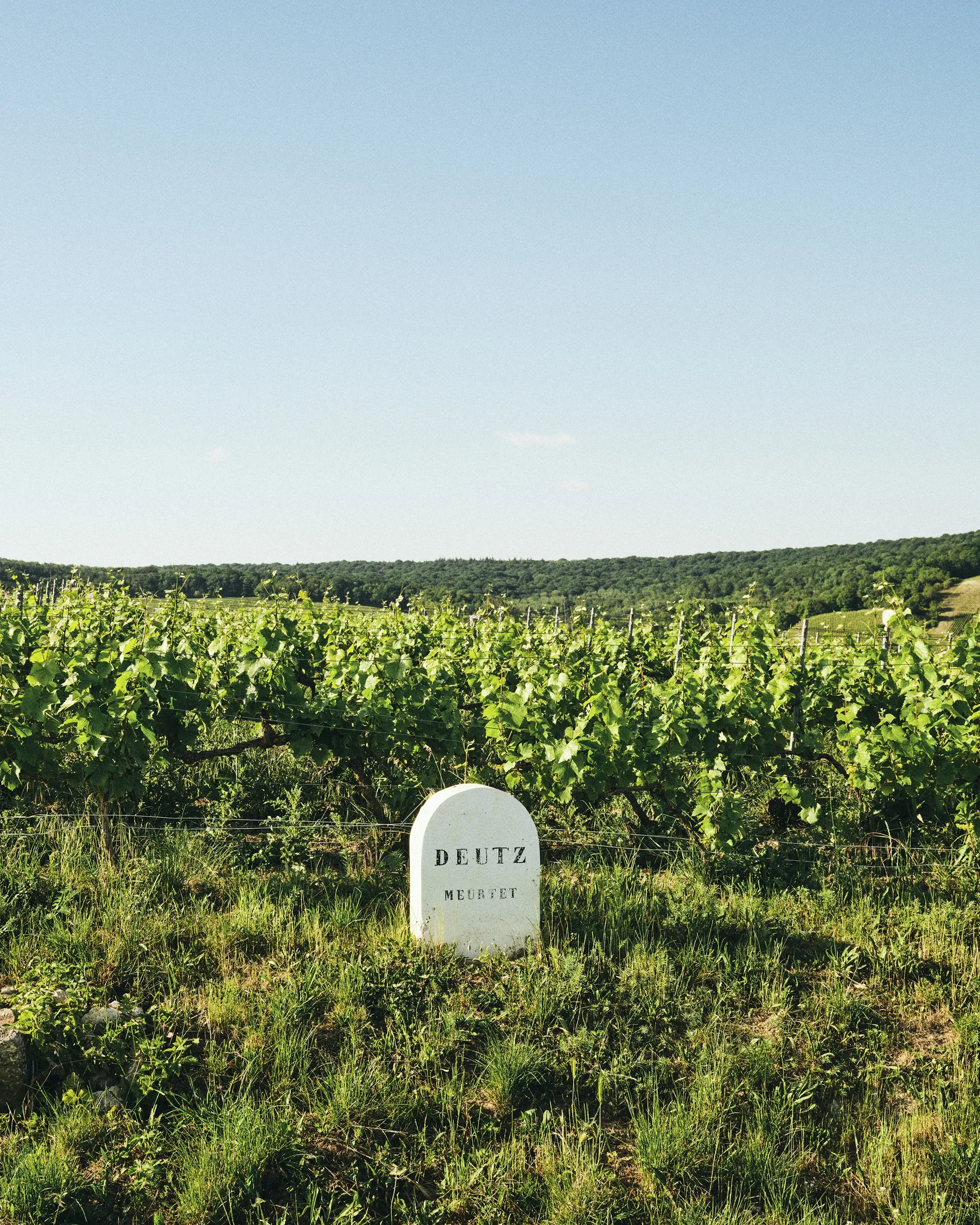
In 2010, the House continued to deepen its roots as a winegrower with a blend of Pinot Noir Grand Cru vineyards from La Côte Glacière and Meurtet, giving rise to the first “Hommage à William Deutz” cuvées. In 2012 and 2015, each of the two plots stood proudly and expressed its own character. This demanding and deliberate single-vineyard approach further strengthened the estate’s identity.
2015
Commitment rewarded
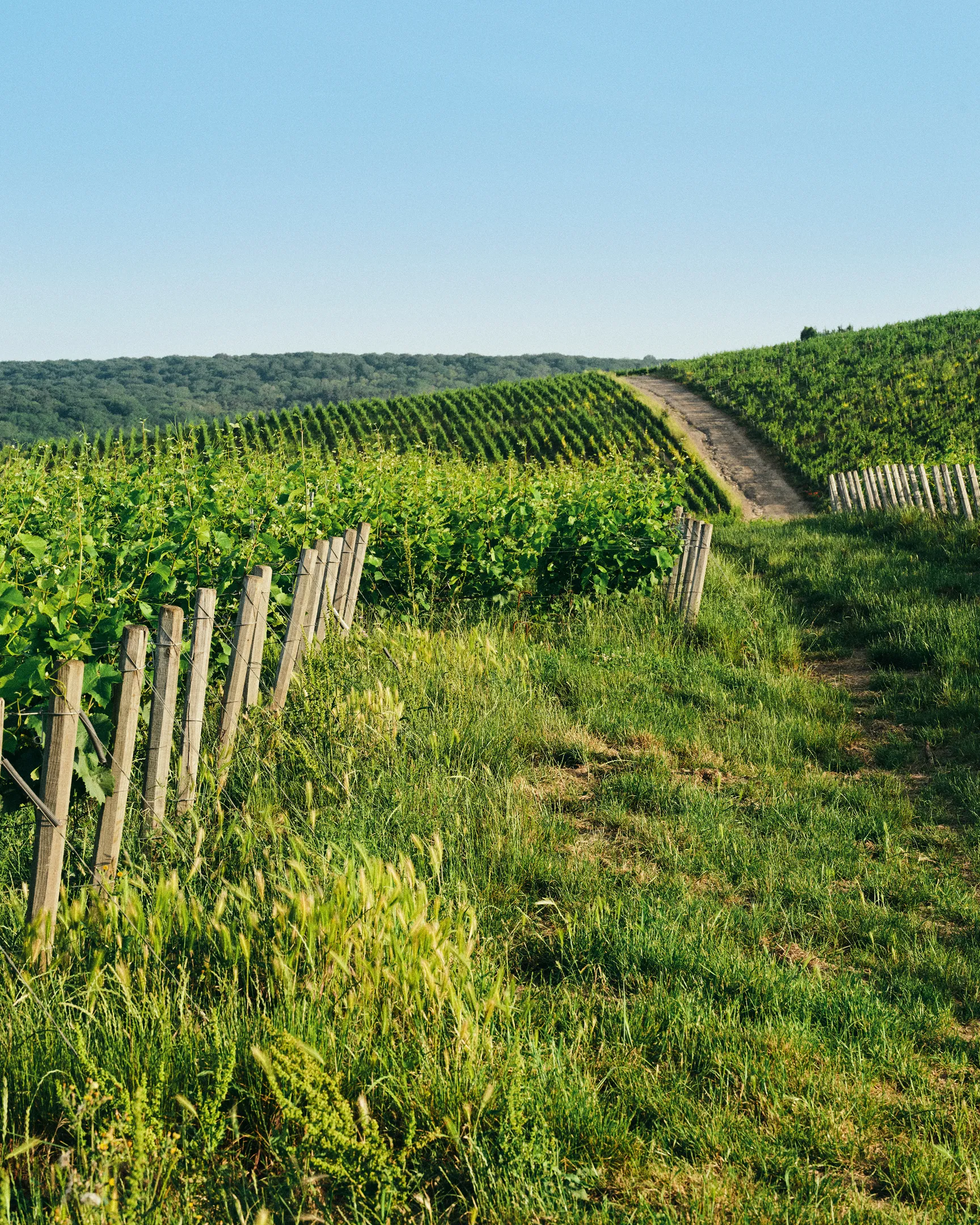
The estate was awarded dual certification under France’s “Sustainable Viticulture in Champagne” and “High Environmental Value” schemes. This marked a significant milestone and a step towards more responsible winemaking. The House committed to reducing inputs, optimising effluent management and implementing a programme to restore hedgerows and traditional vineyard buildings.
2022
A new creative chapter
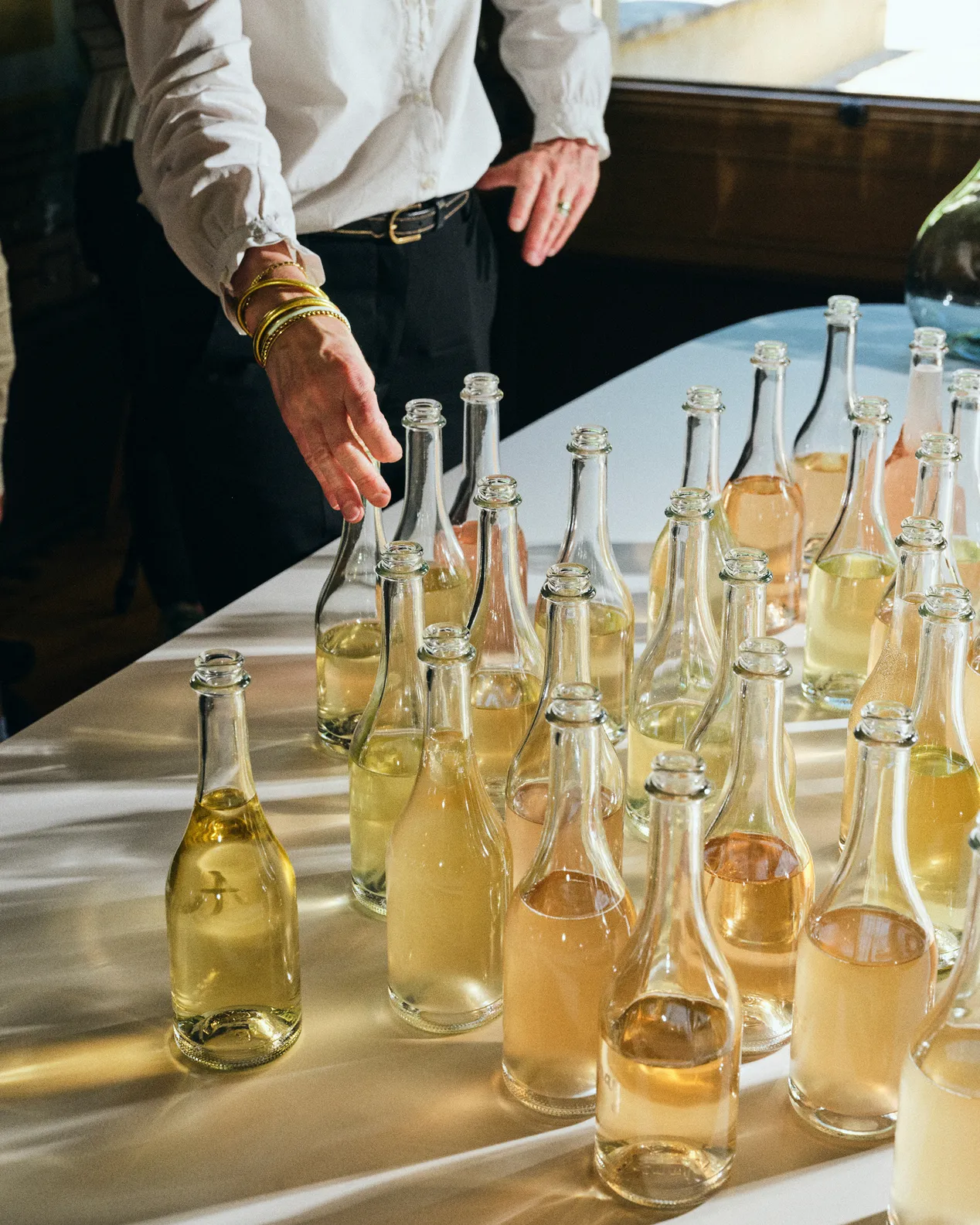
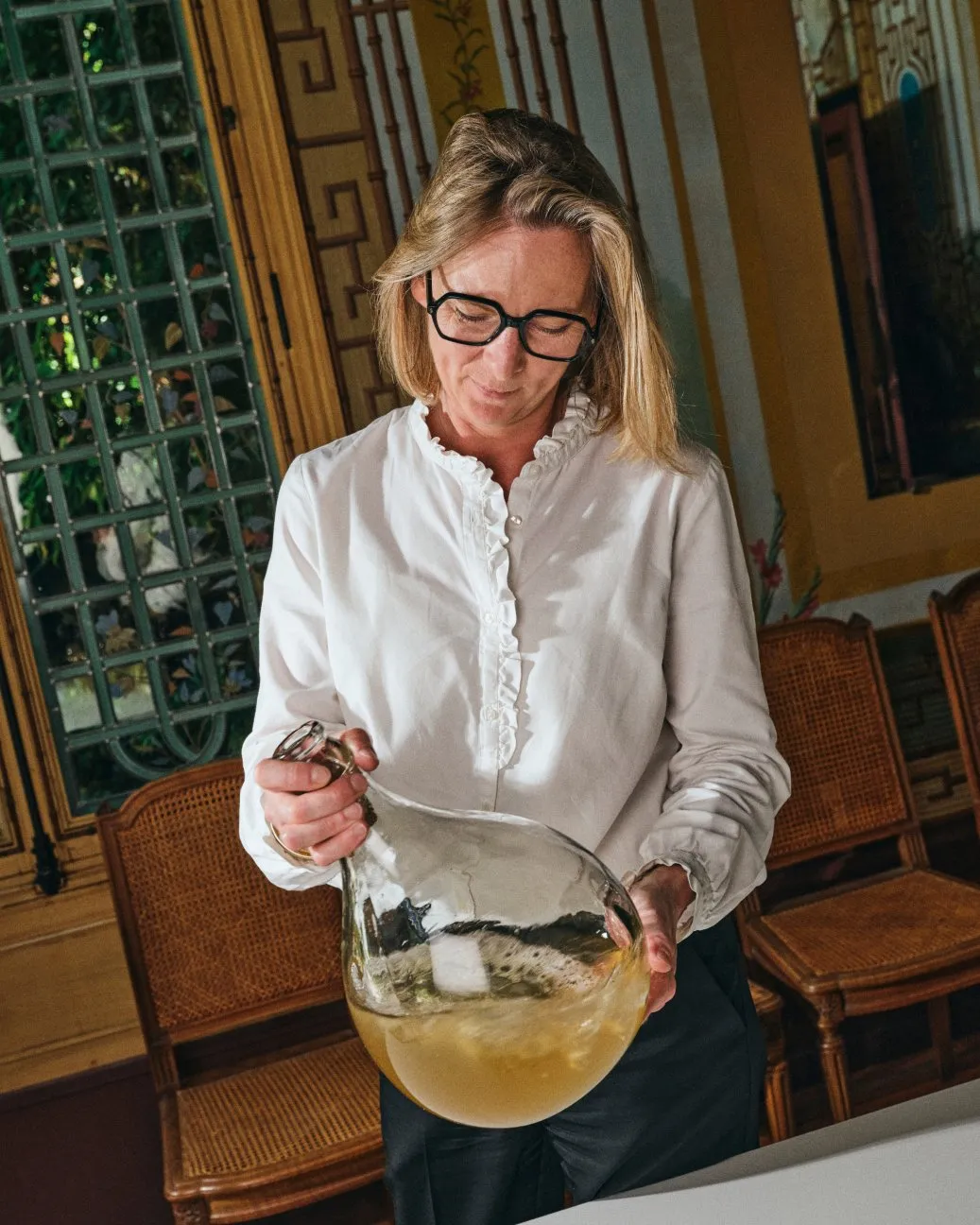
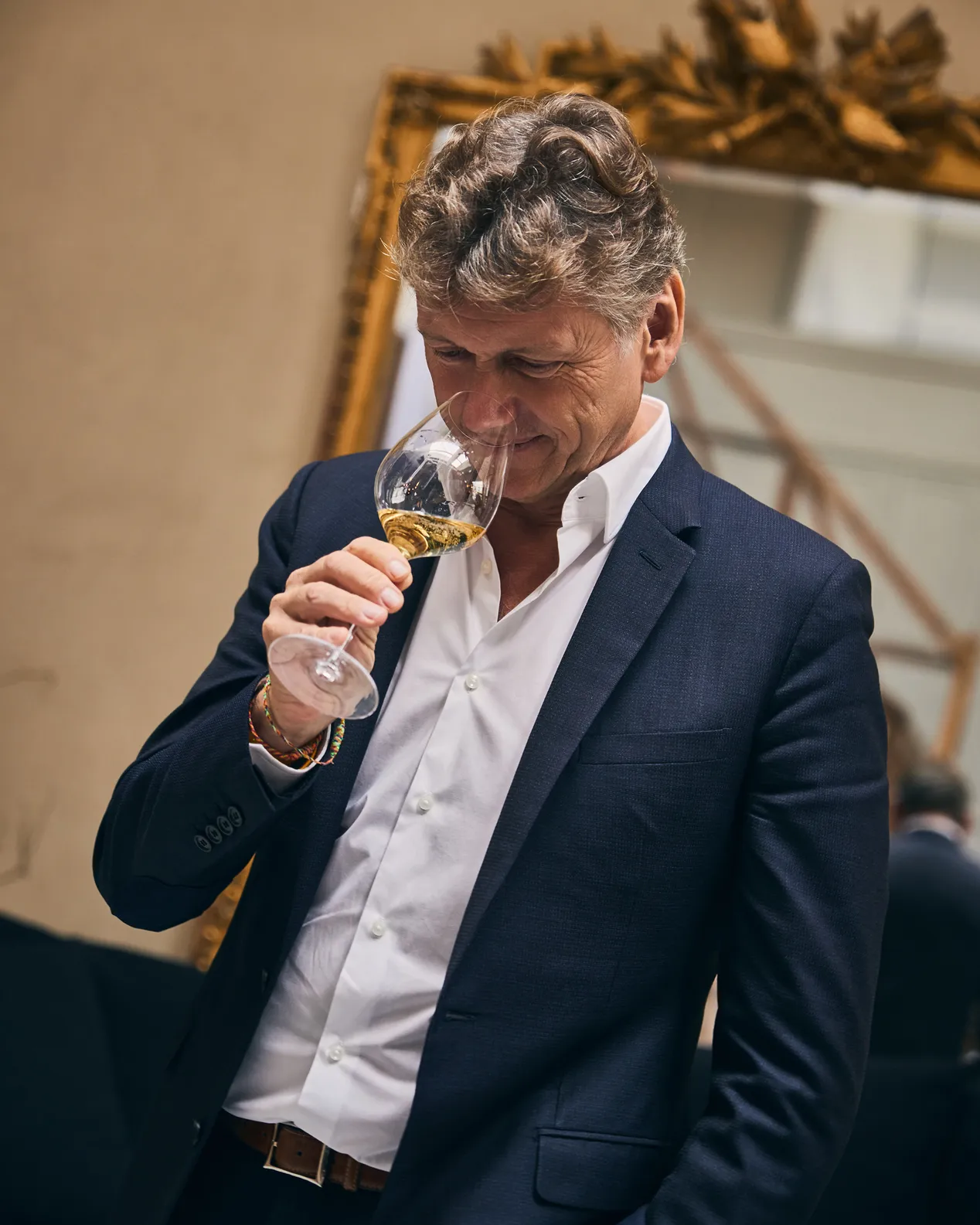
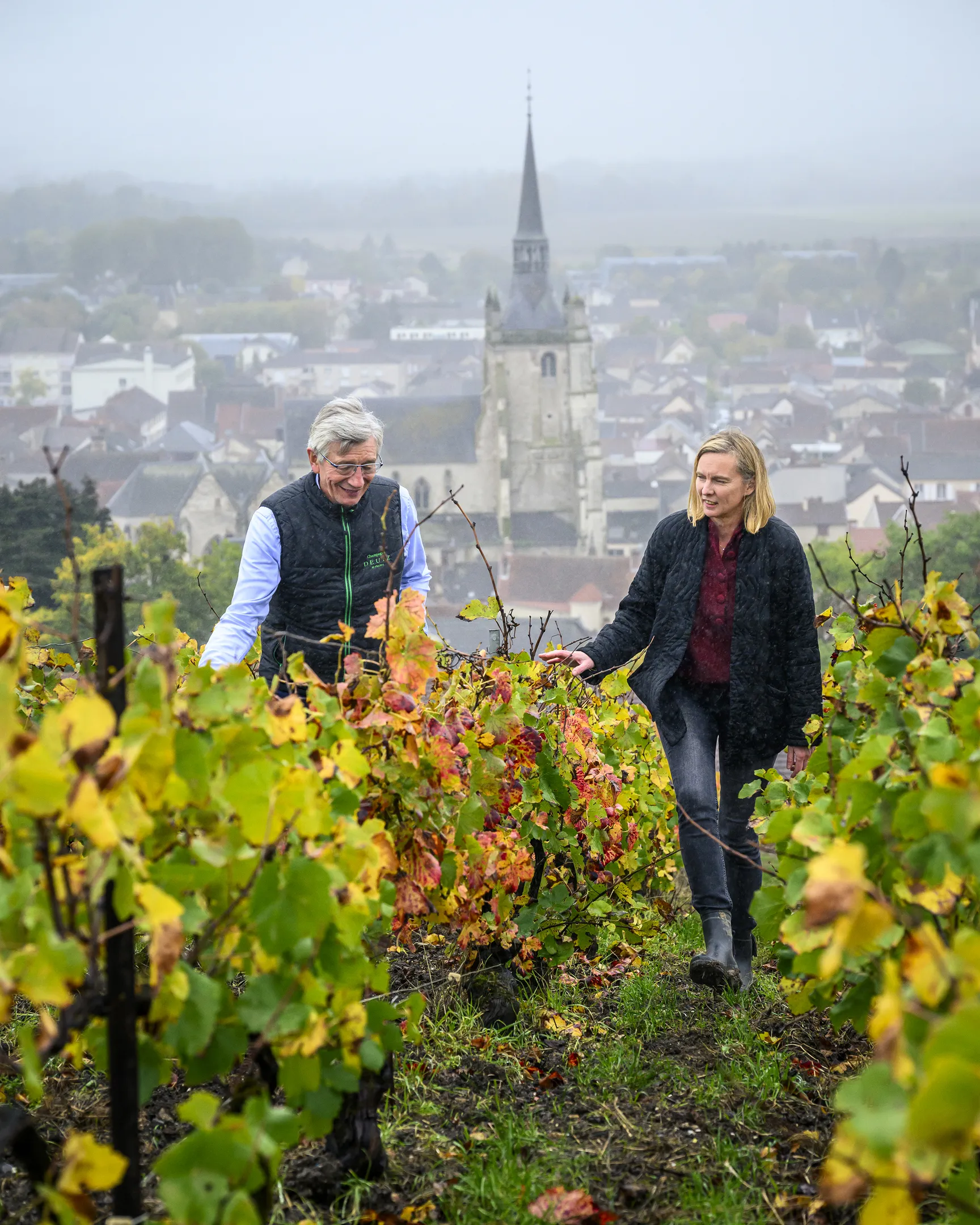
Caroline Latrive succeeded Michel Davesne as Cellar Master at Maison Deutz. Guided by an understanding of the terroirs and a search for pleasure in winemaking, she conceives each cuvée as a work of art in its own right. Her approach—simultaneously intuitive, technical and poetic—now shapes the stylistic signature of Maison Deutz. A new hand to uphold the same high standards.
Today
The freedom to be oneself
Deutz is now one of the few Champagne Houses to embody such a consistent vision over the long term. It is neither the largest nor the most high-profile, but certainly one of the most distinctive. A House that moves at its own pace, steadily and patiently, guided by its own convictions, whilst remaining unconditionally true to itself.